All Categories
Featured
Table of Contents
It likewise fixes thatch problems by developing an excellent environment for microbes that degrade thatch. Core aerators are available for leasing at numerous hardware shops and devices suppliers. Use self-propelled units with vertically operating branches when possible; branches installed on drum rollers are less reliable due to the fact that they pull shallower cores.
2 to four passes with the core aerator suffice. Yard Aeration and Topdressing describes devices choices and method in higher detail. Successfully growing turfgrass in the shade can be hard. Turfgrass plants are naturally adapted to grow in full sun to partial shade. Heavily shaded lawn typically thins or dies, allowing intrusion by moss, algae, and shade-loving weeds such as wood violet (Viola spp.) and Creeping Charlie (Glechoma hederacea).
The following info describes the key differences. For more information, refer to Growing Grass in Shade. For best outcomes, plant mixes containing at least 50% fine fescues for dry, shaded conditions. For moist, shaded conditions plant mixes with a minimum of 10% supina bluegrass (P. supina). Do not rely entirely on Kentucky bluegrass cultivars noted as shade tolerant.
Apply fertilizer at the exact same time as for turf in sunny locations however cut the rate in half. Using the full rate on shaded grass momentarily increases leaf development and prevents vigorous root growth; eventually the turf passes away as the root system can no longer provide adequate water and nutrients to the leaves.
Self-Care Versus Expert Lawn Care StrategiesResearch study shows the leaves can be mulched into the lawn without damaging the grass, as long as the blades of grass remain 12 inches above the mulched tree leaves. For some locations, shade-tolerant groundcovers or mulches may be a much better option than turfgrass. Describe Growing Turf in Shade for a listing of plants adapted to low-light locations.
Self-Care Versus Expert Lawn Care Strategies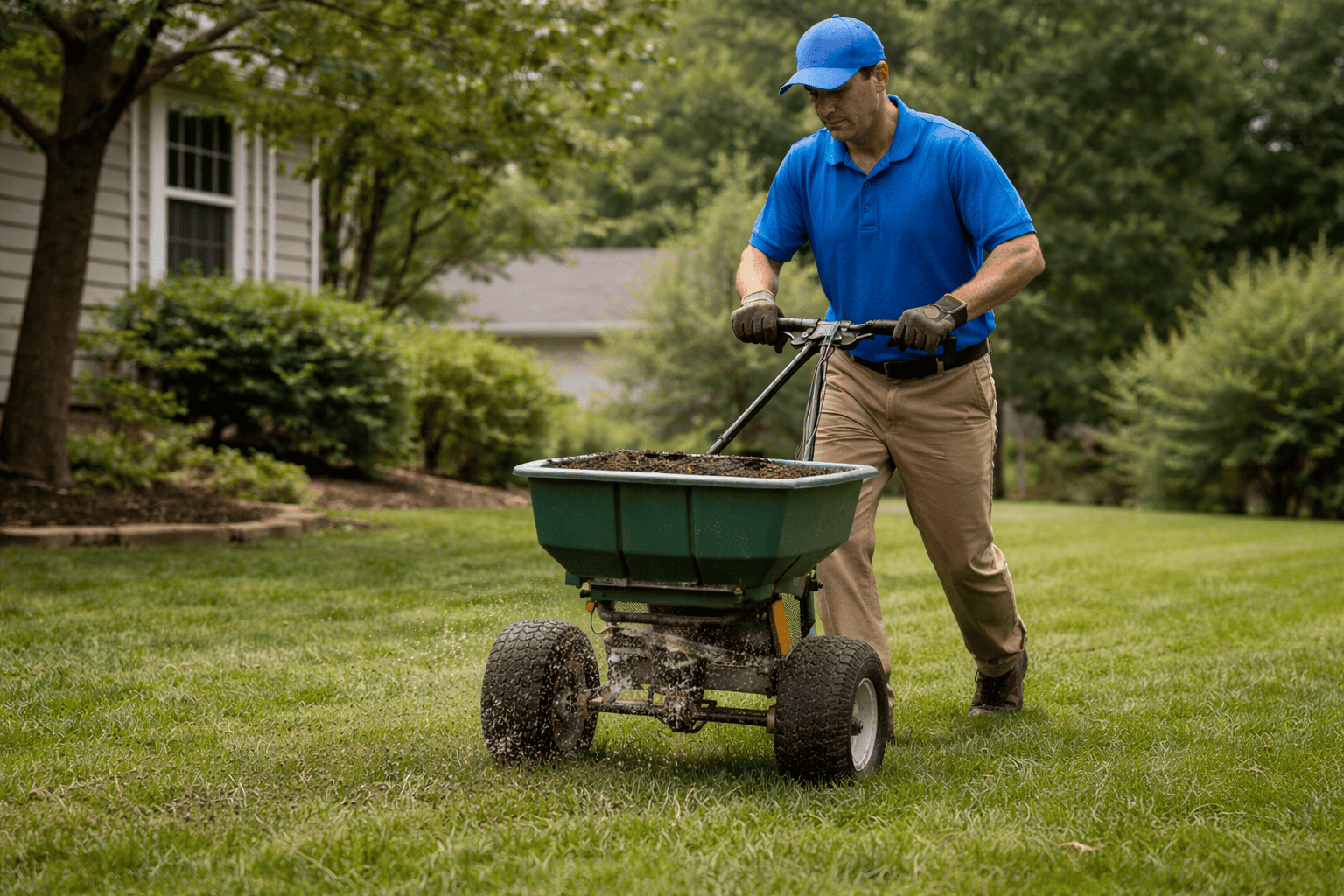
New Regional Standards for Sustainable Garden Care
They attack anywhere turf is weak or thin. Excellent cultural management practices (mowing, fertilization, and irrigation) will encourage development of thick, healthy turf and crowd out and avoid weeds. With appropriate mowing and prompt fertilization alone you can prevent between 70 and 90% of all weed issues. Herbicides should be utilized only as a last resort to suppress a weed issue.
When integrated with excellent management practices, a herbicide application might just be required every a number of years. Select an herbicide based on its capability to manage the target weed(s). Factors to consider consist of the type of weed and the life cycle of the weed (annual, biennial, or seasonal). Ensure you have the appropriate application devices.
Other herbicides are packaged to be applied utilizing a garden hose pipe. Do not buy more herbicide than you will utilize within 1 year.
If you plan to overseed, follow the instructions on the label to make certain the herbicide application does not avoid germination of the seed. Many herbicides specify for just particular types of weeds; these are termed selective herbicides. Nonselective herbicides (e.g., Roundup, Kleenup) will eliminate any plant that takes in the herbicide.
Why Choose Professional Property Maintenance for Your Yard
Read the label on the herbicide container to identify if the product will control the type(s) of weeds in your turf. Typical grassy weeds in grass consist of crabgrass, foxtail, and quackgrass.
Pre-emergent herbicides are used to manage weeds before they are noticeable, usually in early spring. Preemergent herbicides are utilized primarily for control of annual weeds (weeds that live just 1 year) such as crabgrass.
Weed and feed products consist of both an herbicide and a fertilizer. The herbicide may be for either pre-emergent or post-emergent weed control. Due to the fact that these products include an herbicide they ought to be stored and managed with the same level of care as any pesticide. Weed and feed products are appealing because it seems as if both weed control and fertility requirements can be attained with one application.
Adapting Regional Lawn Practices to 2026 Climate Standards
The post-emergent items often stop working to sufficiently control weeds since the weeds take in insufficient of the herbicide. For best outcomes, do not depend on weed and feed items. Instead, fertilize with fertilizer alone according to the schedules listed in. When required, use stand-alone preemergent herbicides to prevent infestations of yearly weeds such as crabgrass.

Latest Posts
2026 Home Landscaping Trends for Local Neighborhoods
Discovering Premier Landscapers Near Your Local Neighborhood
Future Residential Maintenance Innovations for Local Properties