All Categories
Featured


New Regional Standards for Sustainable Lawn Care
Table of Contents
Improper mowing (dull mower blades, removing too much of the leaf)and insufficient water will stress the turf and make it more susceptible to disease. Watering in the early evening motivates lots of leaf illness by keeping leaves wet for extended periods. Other fungis might survive in the soil and cause root rots which go unnoticed until durations of dry spell or other stresses.
Well-managed grass has a better possibility of recovery than turf that may have been struggling to stay alive before the infection. Correct recognition is necessary to figure out if the illness requires a fungicide treatment or if the grass will recuperate without fungicide. While there are many diseases of turf, only the most common are explained here.
Necrotic ring area is triggered by a fungi which decays the roots and crowns of turfgrasses. Initially, 3- to 4-inch size lethal, or brown, patches appear in the grass. The locations expand to 512 inches in diameter as the disease establishes. Turf or weeds may fill in the center of older spots, producing a phenomenon described as a "frogeye" pattern.
Dead spots end up being obvious throughout hot, dry weather condition since the grass is not able to absorb adequate water to remain green. Lethal ring spot damage is typically most extreme in the very first 2 to 4 years after Kentucky bluegrass sod is installed, however damage tends to reduce with time as the microbial population on the turfgrass roots starts to support.
2026 Outdoor Property Enhancement TrendsComparing Local Gardeners and Home Maintenance Plans
In addition, light and frequent watering during hot, dry periods might help the affected grass endure. Adequate fertilization is essential to encourage turfgrass recovery once the active infection of the fungi has actually ended. Fungicides are not generally recommended for lethal ring area control since they have restricted efficacy and are hard to find down to the roots where the infection occurs.
Rusts take place on all turfgrass types however are mainly observed on perennial ryegrass and Kentucky bluegrass. The primary rust observed on Kentucky bluegrass is stem rust and the primary rust observed on seasonal ryegrass is crown rust. The fungi grows inside the plant, typically turning the leaves orange or yellow or triggering orange or yellow areas.
This disease occurs during periods of sluggish turf growth in the late summer and fall. Rust seldom kills the turf, however it can significantly stunt turfgrass development, give the lawn an unsightly appearance, and stain shoes and clothes when its spores rub off. To quicken healing, use a percentage of fertilizer (as much as pound of nitrogen per 1000 sq ft) and gently water.
Leaf area is caused by two main types of leaf area illness, Bipolaris leaf spot and Drechslera leaf spot. All turfgrass species are vulnerable, although heavily fertilized, overwatered grass is most vulnerable.
Bipolaris leaf area happens during hot and damp conditions during the summer, and red or pink-colored lesions can blight and blemish the turfgrass stand. With both leaf spot illness, severe infection can cause plant thinning or death. However, the turf is momentarily stained during infection however the turfgrass recuperates as soon as the environmental conditions change and no longer favor fungal growth.
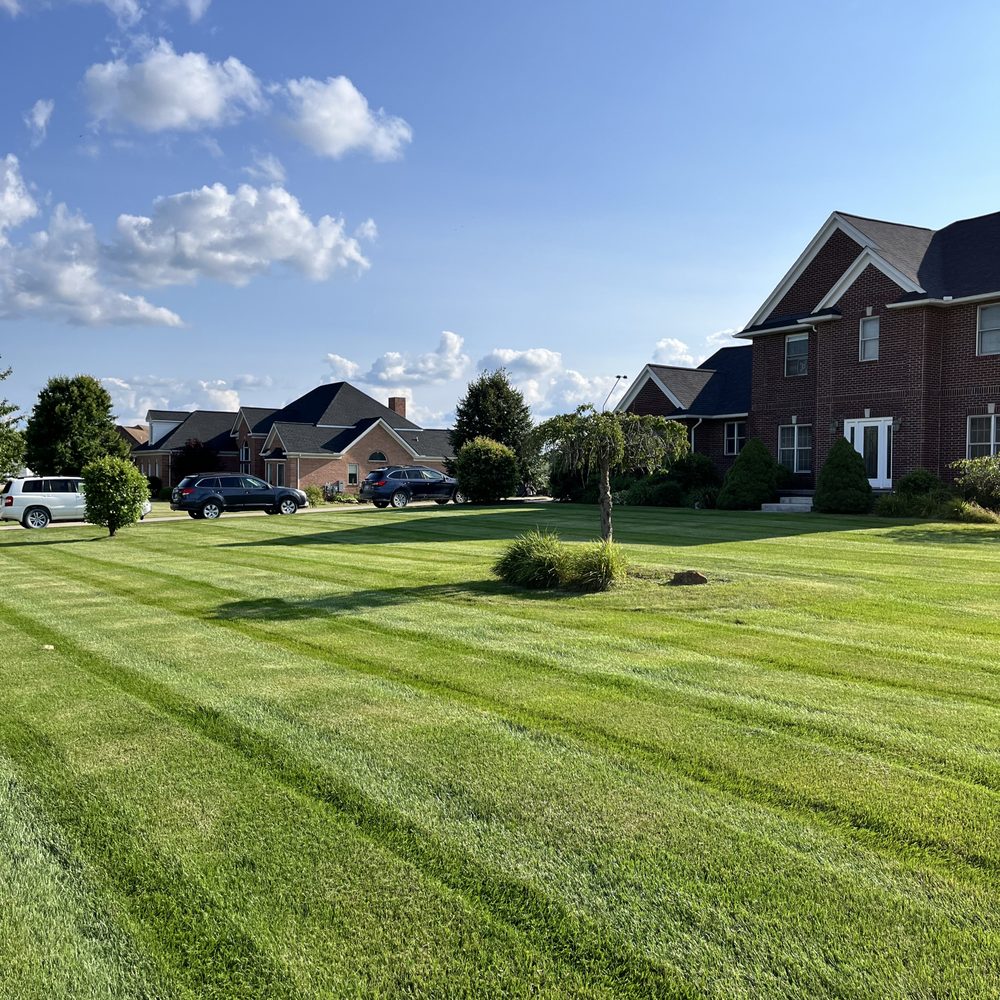
A Detailed Directory to Professional Garden Maintenance Teams
Powdery mildew is brought on by a fungi which forms a white powder-like development on the surface area of the leaf. This disease is more prevalent in dubious, moist areas and is seen mostly on Kentucky bluegrass. Grainy mildew does not substantially injure turfgrass, but can be related to thinning turfgrass since of heavy shade restricting photosynthesis of the turfgrass plant.
In addition, selective pruning or tree removal can increase sunlight penetration and air movement and lower powdery mildew. Fungicides are not advised for control of grainy mildew due to the fact that the illness seldom injures the turf. Fairy rings are dark green rings or arcs in turf, varying in size from several inches to over 10 feet in diameter.
All turfgrasses are prone. Periodically, mushrooms grow along the edge of the ring, but the main part of the fungi is generally deep in the soil. Most mushrooms related to fairy ring are not harmful to people or animals, however talk to a local mycologist before taking in. Fairy rings develop as fungi break down natural matter, such as buried stumps, branches, or building particles.
How Environment Changes Affect Residential Lawn Maintenance
Replacing the soil is not an effective fairy ring management method since it's likely the new soil will also have basidiomycete fungi included. Fungicides are not usually advised for fairy ring control since they aren't typically really efficient and they require to be found down to the soil where the fungis live.

Latest Posts

Eco-Friendly Landscaping Practices for Modern Homes

2026 Residential Property Enhancement Shifts
The Complete Guide to Professional Garden Maintenance Teams